Reading the Screen: How the Original Chicken Road 2 Actually Works
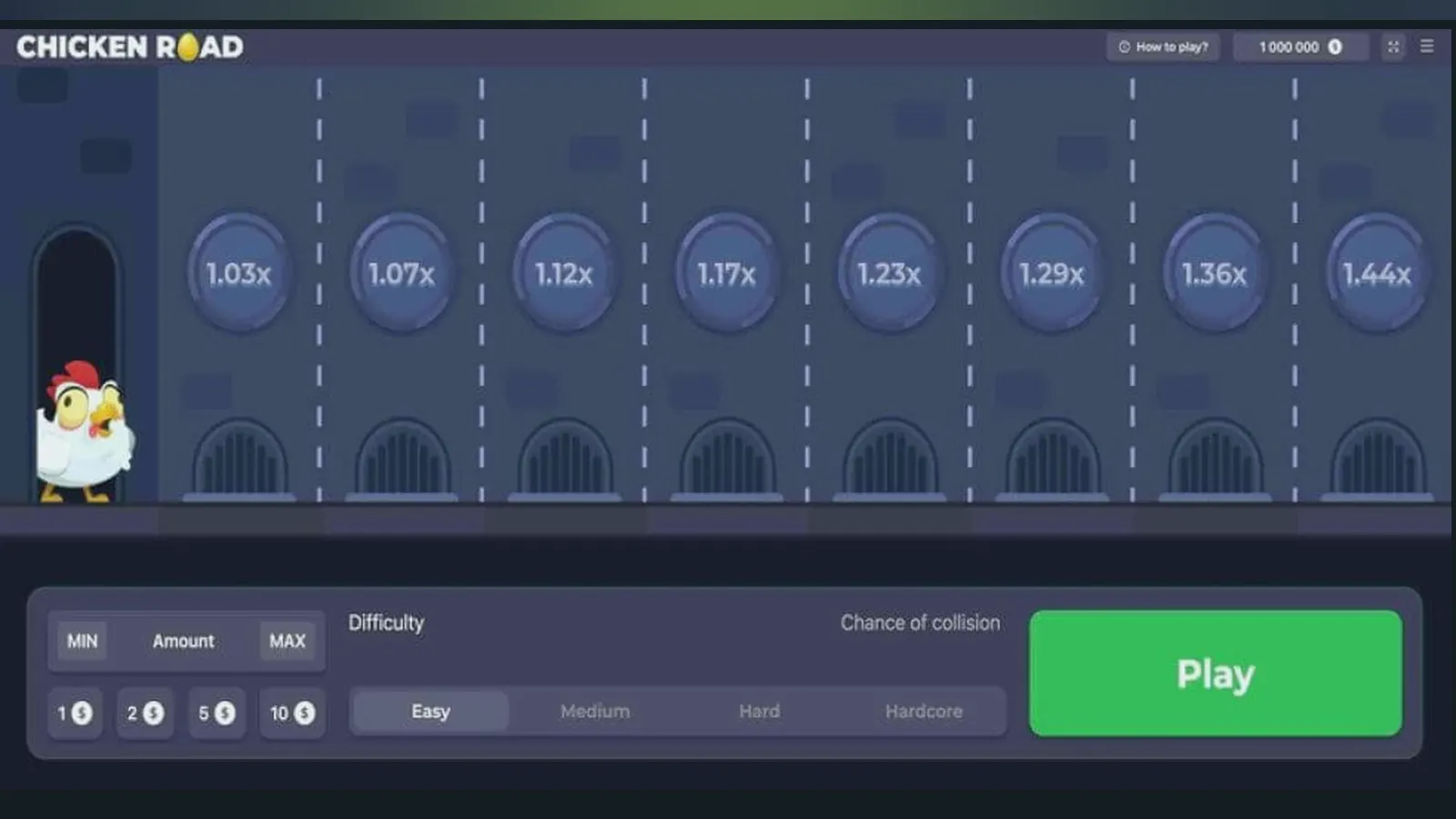
Two players open what looks like the same game. One sees a 5 × 5 grid, a wager slider that stops at £5.00, and a footer link to the UKGC register. The other sees no stake cap, a download prompt for an APK, and a Curaçao seal. Same name on the loader screen — completely different software underneath.
This page walks through the certified original: who built it, how a round unfolds from the moment you tap «Start», what the numbers in the paytable actually mean, and how to confirm in ten seconds that you are playing the real thing on a licensed site.
Who Made It and Where the Certificate Sits
The original Chicken Road 2 is developed and certified by a recognised studio — check the loading screen and the paytable footer for the provider name and the testing-house seal. That certificate confirms the random-number generator, the return-to-player figure, and the payout logic have been audited against the studio's published maths.
For a player in the United Kingdom, the game itself needs that RNG certificate, and the operator hosting it needs a remote gambling licence from the UKGC. The licence number sits in the site footer; you can look it up in the Commission's public register to see the company name, the licence conditions, and whether any enforcement action is live.
What Happens When You Tap «Start»
You pick a difficulty — the grid size, from 3 × 3 up to 8 × 8 — and set a stake between £0.10 and £5.00 (or £2.00 if you are 18–24 and the site has applied the lower cap). Tap «Start» and the round begins: the RNG has already decided which tiles hide a mine and which are safe, but that outcome is hashed and hidden until you reveal it.
Each tile you tap either shows a chicken — safe, multiplier climbs — or a mine, which ends the round and the stake is lost. After every safe tile, a «Cash Out» button lights up with the current multiplier applied to your stake. Tap it and the win is credited; keep going and the multiplier grows, but so does the chance you hit a mine on the next pick.
- Choose grid size and stake, confirm the round.
- Tap a tile; the game reveals whether it is safe or a mine.
- If safe, the multiplier increases and «Cash Out» becomes available.
- Repeat until you cash out or hit a mine.
- Cashing out credits the win; hitting a mine forfeits the stake.
The maths is static: each grid size has a fixed number of mines, a fixed number of safe tiles, and a published multiplier curve. The volatility comes from your decision to stop or continue — the RNG does not adapt to your balance or bet history.
The Numbers: Stake Range, Max Win, and Difficulty Levels
The £5.00 cap is a UK regulatory limit for slots and similar games; some operators apply the £2.00 cap for younger adults as part of affordability and safer-gambling policies introduced after April 2025. The 10,000× maximum is the highest multiplier the paytable will pay — reaching it requires clearing almost every tile on the largest grid without hitting a mine, which is statistically rare.
The RTP of 97.00% is calculated over millions of rounds and assumes optimal cashing-out behaviour. In practice, volatility is high because one wrong tile ends the round at zero, and the temptation to chase the next multiplier step often leads to longer losing streaks than lower-variance games.
How the Mechanics Fit Together
Three systems interact: the grid, the multiplier curve, and the cash-out window.
- Grid and mines: smaller grids (3 × 3) have fewer total tiles, so each safe reveal is a larger fraction of the board cleared and the multiplier climbs faster. Larger grids (8 × 8) spread the risk over more tiles, slowing the multiplier growth but offering more steps before you must decide.
- Multiplier curve: published in the paytable, it shows the exact multiplier after each safe tile. Early tiles add small increments; later tiles compound quickly. The curve is steep enough that clearing the final tile on an 8 × 8 grid can push the multiplier into four figures.
- Cash-out timing: the button is live after every safe tile. The win is locked only when you tap it; if you reveal another tile first, the previous multiplier is irrelevant — the new outcome (safe or mine) is all that counts.
The player controls when to stop, but the RNG controls the outcome of every tile. That split is where the game's appeal and its variance both live: you feel agency over the decision, but the maths says the risk per tile rises as the grid empties.
Clones, Reskins, and How They Differ
The original is one certified build. Clones circulate under similar names — sometimes the same name — with altered stake ranges, missing RTP disclosures, or completely different grid logic. Common differences include:
| Feature | Original | Typical Clone |
|---|---|---|
| RNG Certificate | Visible in paytable or game info | Missing or generic seal |
| Stake Cap | £5.00 / £2.00 enforced | No cap, or cap above legal limit |
| RTP Disclosure | 97.00%, published | Not stated or vague range |
| Operator Licence | UKGC licence in footer | Offshore licence or no licence link |
| Multiplier Curve | Fixed, audited table | Unverified or undisclosed |
| Withdrawal Method | Faster Payments, e-wallets in GBP | Crypto only, or unclear currency |
Clones often appear on unlicensed sites or as standalone APKs promoted through affiliate spam. They may offer higher max wins or faster gameplay, but without third-party testing there is no way to verify the RNG is fair or that the stated RTP is accurate.
Ten-Second Check: Are You on the Original?
- Open the game info or paytable screen — look for the provider name and the testing-house logo (eCOGRA, GLI, iTech Labs, or similar).
- Scroll to the site footer and find the UKGC licence number; it should be a hyperlink or plainly stated with the operator's legal name.
- Check the stake slider: it should stop at £5.00 (or £2.00 if age-gated). If it runs higher, you are either on an unlicensed site or playing a clone.
- Confirm the RTP is listed as 97.00% — this is the certified figure for the original. Clones often omit the RTP or list a different range.
- Look at payment methods: debit cards, PayPal, Open Banking, Apple Pay are standard on UKGC sites. Credit cards have been banned for gambling since 2020, and crypto-only cashiers are a red flag.
If all five checks pass, you are on the certified original hosted by a licensed operator. If any check fails, you are either on a clone or an unlicensed site, and your funds and fairness are not protected by UK regulation.
FAQ
Can I play Chicken Road 2 for free in the UK?
Most UKGC-licensed operators offer demo play, but you will need to register and verify your age first — the Commission requires age checks before any gambling product is shown, including free-play modes. Once logged in, look for a «Demo» or «Play for Fun» toggle in the game lobby.
What is the maximum I can win on a single round?
The paytable caps the multiplier at 10,000×, so the absolute maximum win is your stake multiplied by 10,000. At the £5.00 stake cap, that is £50,000. Reaching it requires clearing nearly every tile on the largest grid without hitting a mine, which is statistically rare — most sessions end well before that point.
Why does my stake slider stop at £2.00 when others mention £5.00?
The £2.00 cap applies if you are aged 18–24 and the operator has implemented the lower limit as part of UK safer-gambling rules introduced in 2025. Players 25 and older see the standard £5.00 cap. The site sets this automatically based on the date of birth you provided during registration.
How long does the first withdrawal take?
UKGC operators must verify your identity and address before processing a withdrawal, which typically takes 24–48 hours if you upload documents promptly. Once verified, e-wallet withdrawals clear in a few hours, and Faster Payments to your bank arrive within one to two working days. Subsequent withdrawals are faster because the checks are already done.
Is there a way to improve my odds or predict safe tiles?
No. The RNG decides the mine positions before the round starts, and the outcome of each tile is independent of your bet size, previous rounds, or how long you wait. The only decision you control is when to cash out — everything else is maths and variance. Anyone selling a «system» or «pattern» is selling fiction.