Free Demo: What You Actually Get (and What You Don't)
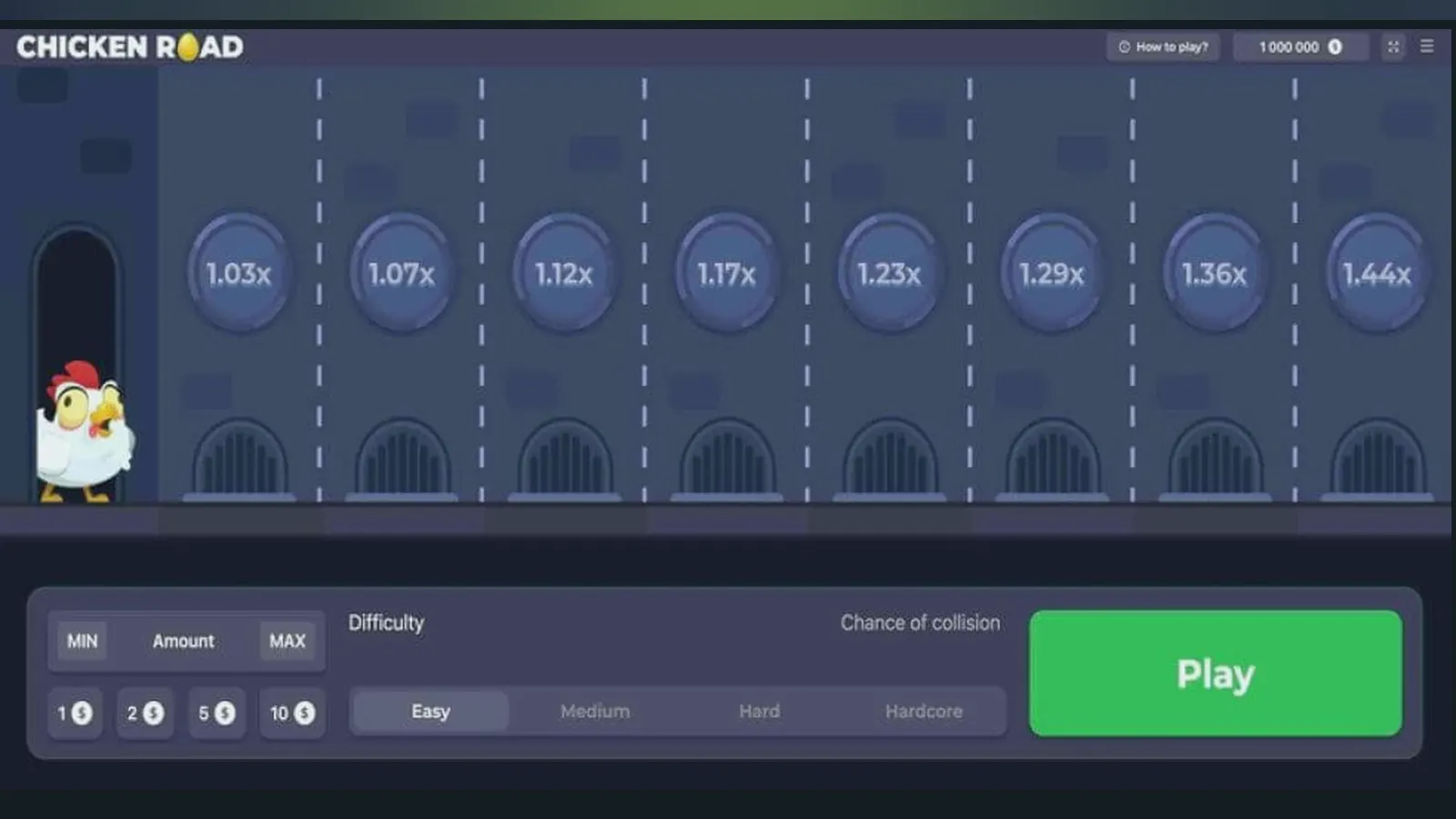
Demo play gives you the mechanics — the grid, the multiplier, the cash-out button — but none of the friction that defines real-money sessions. You won't see the KYC queue, the affordability questionnaire at £150 net deposits a month, or the stake cap that drops to £2.00 if you're 18–24. The demo balance resets; your deposit history doesn't.
This page walks through what a demo session looks like on a UKGC-licensed site, which numbers transfer to real play, and where the demo stops being useful. If you're testing the game to decide whether it's worth a tenner, you'll know exactly what the demo hides.
Where the Demo Runs and Whether You Need an Account
Most UKGC operators let you launch the demo after logging in and passing age verification — the regulator wants to keep gambling content away from under-18s, so completely open demo play is rare. A few sites show a «play for fun» button on the game page without sign-up, but that's the minority.
Either way, you're running the same client-side build as real-money players. The bet controls, the grid layout, the cash-out latency — all identical. The only difference is the balance: the demo starts you at £1,000 in fake funds, and when you drain it, one refresh brings it back.
- No deposit, no payment method on file.
- No pending documents or affordability trigger.
- The bet range mirrors real-money limits: £0.10 minimum, £5.00 maximum under the stake cap.
- If you're logged in, your demo history might appear in the lobby, but it doesn't affect your real balance or bonus wagering.
What a Demo Session Actually Looks Like
You pick a stake — say, £1.00 — and the round starts. The car moves up the grid; you decide when to cash out or let it run. If you cash out at 3.2×, the demo adds £3.20 to your fake balance. If the obstacle hits before you bail, the stake disappears and the balance drops by £1.00.
The rhythm is faster than you'd expect: rounds last 10–30 seconds, so you can cycle through fifty bets in twenty minutes. The demo doesn't slow you down with deposit pop-ups or session reminders — those only appear in real play after you've been going for a while or if you're approaching a limit you set.
The RNG is identical to real play — the demo doesn't run a separate, friendlier version — but because the stakes aren't real, most players bet higher and chase longer multipliers than they would with their own tenner. That skews your impression of variance.
Which Numbers Carry Over and Which Don't
The RTP, the probability curve, the maximum win cap — those are locked in the game's maths and apply to every session, demo or real. The pacing, the interface, the bet increments: also the same.
What doesn't carry over: anything tied to your wallet or the operator's compliance checks. The demo balance is infinite in practice (you can reset it with one click), so you never test the psychological weight of a losing streak when it's your own fifty quid. You don't see the affordability questionnaire that triggers at £150 net deposits a month, or the credit-reference check that follows if you keep going. You don't wait for a Faster Payments withdrawal to clear, and you don't deal with the 24–48 hour KYC hold on your first cash-out.
| Element | Demo | Real Money |
|---|---|---|
| RTP / maths | Identical | Identical |
| Bet range | £0.10–£5.00 | £0.10–£5.00 (£2.00 if 18–24) |
| Balance | £1,000 fake, resets | Your deposit, finite |
| KYC check | Skipped | Required before first withdrawal |
| Affordability trigger | Not present | Starts at £150/month net deposits |
| Withdrawal test | Not available | 1–3 working days, longer first time |
| Bonus wagering | Not applicable | Tracks across all slots |
If you're testing whether you can handle a dozen losing rounds in a row, the demo gives you that. If you're testing whether you can stay calm when a withdrawal sits pending for two days, it doesn't.
What the Demo Hides: Withdrawal, KYC, and Bonus Wagering
The demo client has no cashier button and no withdrawal flow. That's deliberate: the part of the experience that creates the most friction — uploading a photo of your driving licence, answering questions about your income, waiting for a compliance officer to clear your first payout — happens entirely outside the game.
When you switch to real money, the operator checks your age and identity before you can deposit. The Gambling Commission raised affordability checks in 2024, so if your net deposits hit £150 in a month, the site pulls credit-reference data (no hard search on your file, but they see your borrowing and account activity). If the numbers look off, they'll ask for payslips or bank statements. That can pause your ability to deposit further until you send the documents.
Bonus wagering is another hidden layer. If you take a welcome offer — say, 50 free spins on sign-up — those spins come with a wagering requirement, often 30–40× the bonus value. The demo doesn't track wagering because there's no bonus in play. In real sessions, every spin on Chicken Road 2 counts towards clearing the requirement, but you won't see that mechanic in free play.
- First withdrawal: expect 24–48 hours for document review, longer if they need extra proof of address or source of funds.
- Subsequent payouts: faster once you're verified — e-wallets clear in a few hours, Faster Payments same day to two working days.
- Bonus terms: wagering applies to all slots, including crash games; check the full terms because some offers exclude certain game types.
- Stake caps: £5.00 per round for most players, £2.00 if you're 18–24; the operator enforces this automatically, but the demo won't show the cap dropping if you've set your age in the lower bracket.
Demo on a Phone and How It Handles Touch
Chicken Road 2 runs in the mobile browser — no app download required, though some operators wrap their site in a web-app shell that you can pin to your home screen. The demo loads the same way: tap the game tile, wait a few seconds for the client to initialise, and you're in.
The cash-out button is large enough for a thumb press without mis-taps, and the bet controls sit at the bottom of the screen in portrait mode. The grid scales to fit a phone display, so you're not pinch-zooming to see the multiplier. The demo balance and current bet are always visible, and the round timer runs in the same spot as on desktop.
Touch latency matters here more than in a traditional slot: you're deciding when to bail in real time, so an extra 50 milliseconds between tap and server acknowledgement can mean the difference between cashing out at 5× and watching the obstacle hit. The demo gives you that latency — it's not a sanitised, lag-free version — so if you're testing on a phone over 4G in a weak-signal area, you'll feel the delay.
- No separate Android APK or iOS app for the game itself; it runs in the browser or the operator's web app.
- Portrait or landscape: the interface adapts, but portrait is more comfortable for one-handed play.
- Data usage: each round is a lightweight exchange with the server, so you're not burning through mobile data the way a video stream would.
- Notifications: the demo won't send push alerts, but real-money sessions might if you've enabled them in the operator's app settings (e.g., deposit reminders, bonus expiry).
The Lowest-Risk Way to Switch to Real Money
If the demo convinces you to try a real session, the lowest-risk path is: smallest deposit the site allows (often £5.00–£10.00), smallest stake (£0.10), and a hard stop after twenty rounds or one loss of the starting tenner, whichever comes first.
Check the operator's UKGC licence number in the footer and look it up in the public register — every site serving British players needs a remote licence, and unlicensed operators are illegal to market here. Once you've confirmed the licence, set a deposit limit in your account settings before you fund the wallet. UKGC rules require operators to offer this, and it's easier to set a £20 monthly cap now than to reverse a week of unchecked deposits later.
Use a debit card or Open Banking — credit cards have been banned for gambling since 2020 — and make sure the payment method is in your own name. The operator will ask for ID before your first withdrawal, so have a photo of your driving licence or passport ready. If your net deposits cross £150 in a month, expect the affordability check: you'll answer a few questions about your income and regular expenses, and the site will run a soft credit-reference search. If that raises a flag, they'll ask for payslips or bank statements.
- Verify the UKGC licence number in the footer and cross-check it in the public register.
- Set a deposit limit (e.g., £20 or £50 for the month) in account settings before you add a payment method.
- Start with the minimum deposit and the minimum stake (£0.10).
- Decide in advance how many rounds you'll play or how much you're willing to lose, and stop when you hit that line.
- Prepare ID for the first withdrawal — the operator will hold your payout until you're verified, which takes 24–48 hours.
- If you want to block yourself across all UKGC sites, register with GAMSTOP before you deposit; it's a six-month to five-year self-exclusion that covers every licensed operator.
The demo gives you the rhythm and the interface; real play adds the regulatory layer, the KYC wait, and the weight of finite funds. Test the game mechanics in demo, then keep the first real session small and time-boxed.
FAQ
Can I run the demo without an account?
On most UKGC-licensed sites, you'll need to register and pass age verification before the demo unlocks — the regulator wants to keep gambling content away from under-18s. A few operators show a «play for fun» button without sign-up, but that's less common. Either way, you won't deposit or add a payment method to run the demo.
Does the demo use the same RTP as real-money play?
Yes. The RTP, the probability curve, and the maximum win cap are identical in demo and real sessions — it's the same client-side build. The demo balance is fake and resets when you drain it, but the maths behind each round doesn't change.
Why does the demo feel faster than I expected?
Rounds last 10–30 seconds, so you can cycle through dozens of bets quickly. The demo doesn't pause for deposit prompts or session reminders, and because the stakes aren't real, most players bet higher and chase longer multipliers than they would with their own money. That skews your sense of variance.
What happens when I switch to real money for the first time?
The operator checks your age and identity before you can deposit, then holds your first withdrawal for 24–48 hours while they review your documents. If your net deposits hit £150 in a month, they'll run an affordability check using credit-reference data. Keep your first deposit small — £5.00 or £10.00 — and set a limit in account settings before you fund the wallet.